logo
  • Contact: +260 956 20 81 08
  • admin@za-go.net
logo
  • Home
  • About us
    • Who we are
    • Leadership
    • Projects
  • Core Values
    • Professionalism
    • Dignity and respect
    • Standards and quality
    • Transparency
    • Accountability
    • Non partisan engagement
    • Scientific and evidence-based engagement
  • Membership
    • How to join
    • Paid up
      • Membership List
    • Associate
    • SACCO
  • Opportunities
  • Resources
    • Latest publications
    • Zago AGM
      • 2021
      • 2022
      • 2023
      • 2024
      • 2025
    • Downloads
    • External Links
  • News
    • Latest Updates
    • Newsletters
    • Media Statements
    • Photo Gallery
    • Video Gallery
    • Podcast
  • Contact
    • Secretariat
logo

Contact Info

  • +260 956 20 81 08
  • admin@za-go.net
Education , Events , Home , Latest News
  • By zago
  • 0 Comments
May 26, 2026

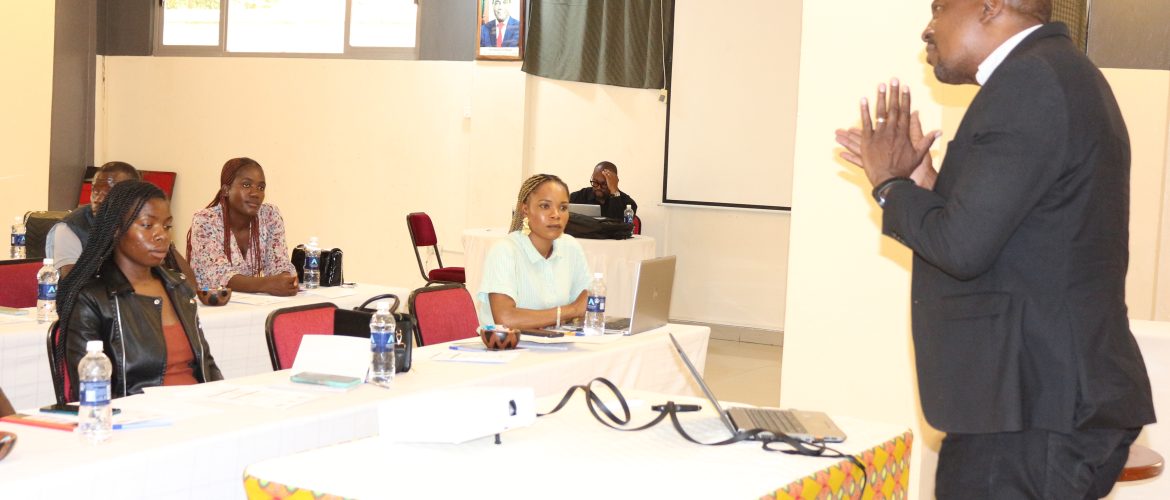
The Zambia Association of Gynaecologists and Obstetricians (ZAGO) under the AmplifyChange “Improving Access to and use of Sexual Reproductive Health (SRH) Services by Adolescents and Young People” project, held a bi-annual project review meeting. The purpose of this important meeting is to review and evaluate project progress, share implementation strategies, and leverage lessons learnt across project implementation sites.

The meeting was held in Kafue district from 1st to 3rd April, 2026. It is worthy stating that the bi-annual meeting revealed inspiring progress, innovative adaptations, and key learnings from across the 30 implementing healthcare facilities. Financially supported by AMPLIFYCHANGE, the project continues to break down barriers and create sustainable, youth-centric models of care.

The review began with a comprehensive analysis of activity reports from all implementing healthcare facilities. The conversations and reports showed a promising picture of increased engagement. There has been a marked uptick in the number of adolescents and young people (AYP) accessing SRH services, including counselling, contraception, STI screening, and HIV testing. The reports highlighted the crucial role of youth-friendly health spaces as safe, non-judgmental environments that encourage open discussion and service uptake. Common challenges noted included, stigma among some healthcare providers, occasional commodity stock-outs and the ongoing need for sensitisation in communities to overcome stigma.

A focal point of discussion was the innovative strategy from Kings Trust Clinic in Chingola district on recruiting and maintaining their cadre of peer educators. Recognising that attrition is a common challenge, the clinic’s youth friendly health space has implemented a robust recruitment system including:

Motivational Incentives: Beyond basic measure, the person in charge at the youth-friendly space Kennedy Mwelwa shared how he had taken it upon himself to sacrifice his time, resources, and ensure his availability to the adolescents at all time.

“We foster a spirit of togetherness, oneness, recruiting not only those that have completed higher education, but also grooming new leaders ready to take up mantle of service delivery at the clinic,” said Mwelwa confidently.

 A deliberate strategy is at hand that recognises leadership opportunities within the space, encouraging a sense of ownership and value. Regular meeting sessions, recreation meetings, and access to counselling for the educators themselves is helping Kings Trust clinic prevent burnout. Peer education skills or educational opportunities is being highly encouraged, making the role a stepping stone rather than a dead-end. This holistic approach to volunteer management is proving effective in retaining committed young advocates, ensuring consistent community outreach and peer-to-peer support.

Besides Kings Trust Clinic, one of the most creative innovations came from Mwembeshi Rural Health Clinic in Chilanga district, Lusaka Province. Their youth friendly health space has embarked on an income-generating activity (IGA): a vibrant maize garden. This initiative serves multiple purposes including:

Sustainability: The sale of maize produce generates funds to support the youth friendly health space’s activities, such as purchasing educational materials or refreshments for group discussions, making it less dependent on external funds.

Practical Skills Training: Adolescents involved in the farming learn valuable agri-business and entrepreneurial skills.

Metaphor for Growth: The maize field acts as a powerful symbol for nurturing health and well-being, seamlessly integrating lessons on nutrition, responsibility, and future planning into the SRH dialogue. This model of linking health with livelihood is a pioneering step toward creating self-sustaining community health structures.

On the other hand, Chimwemwe Clinic in Kitwe district, Copperbelt Province has set a benchmark for integrated service delivery – successfully implementing a One-Stop-Centre (OSC) model within its youth-friendly health space. The principle is simple yet transformative: “All Services, One Space.” Here, adolescents and young people access a comprehensive suite of services without being referred to different, and potentially stigma prone departments of the main clinic. The services provided at the One-Stop Center include:

  1. General medical care (using HEADSS Approach)
  2. STIs/HIV screening
  3. SRH counselling and provision of contraceptives.
  4. Mental health screening
  5. TB screening
  6. Peer support programs
  7. Psychosocial support, etc.

This integration is reducing stigma, saves time, increases confidentiality, and dramatically improving the user experience, ensuring that adolescents and young people’s diverse health needs are met under one roof by trained, youth-friendly providers. Many other districts learnt valuable lessons and have since assured to take on board some of these strategies for possible adaptation in their respective youth friendly health spaces.

The review meeting concluded with a renewed commitment to documenting and scaling successful models like the IGAs and One-Stop-Centres; strengthening supply chains to ensure consistent availability of SRH commodities; improve reporting system; enhancing community engagement to foster supportive environments for adolescents and young people; and continued advocacy for integration of healthcare services, best practices into standard healthcare delivery for young people.

  • Tags:
  • https://twitter.com/zago_go
  • https://web.facebook.com/profile.php?id=100049384313327
  • https://www.linkedin.com/in/zago-head-office-52394b360/
  • https://www.youtube.com/channel/UCyET7FughZawwENmvJwlHrg/featured
  • https://x.com/zago_go

zago

Visit: https://za-go.net

UNITAID, EU DELEGATION VISIT ZAMMSA
May 26, 2026

Leave A Comment Cancel reply

Zago

Professional society

ZAGO envisions a Zambia where women can reach their full Sexual and Reproductive Health and Rights including access to safe abortion services.

Extenal Links

  • MOH
  • UTH
  • Marie Stopes Zambia
  • UNFPA Zambia
  • National Aids Council
  • Medical Association of Zambia
Zambia Association of Gynaecologists and Obstetricians

Contact

+260 956 20 81 08

admin@zago.net

Physical Address

Plot No. 3, Ntoyo Road, Woodlands, Lusaka.

© 2023 : All rights reserve | Powered by Elsane Media & Communications.